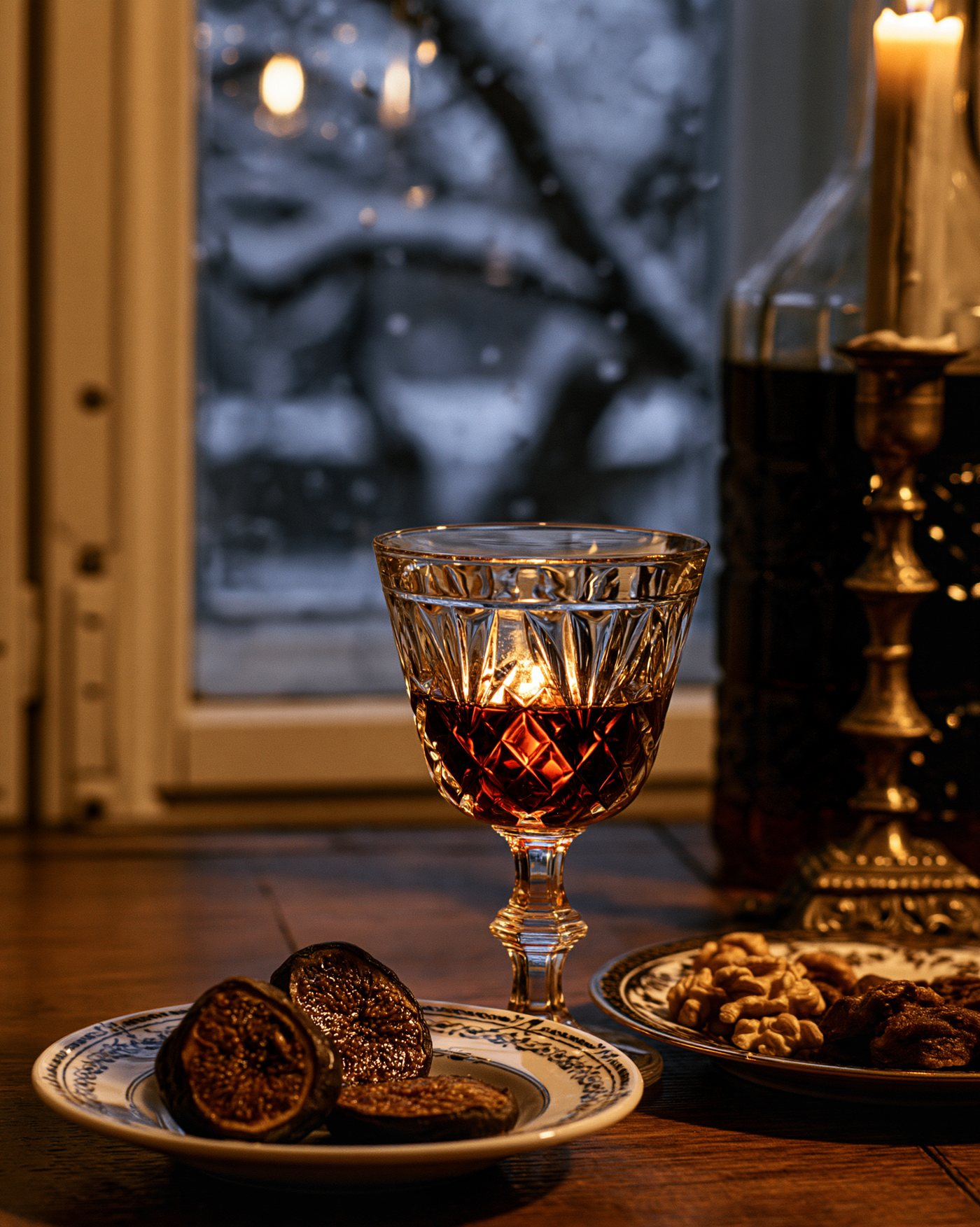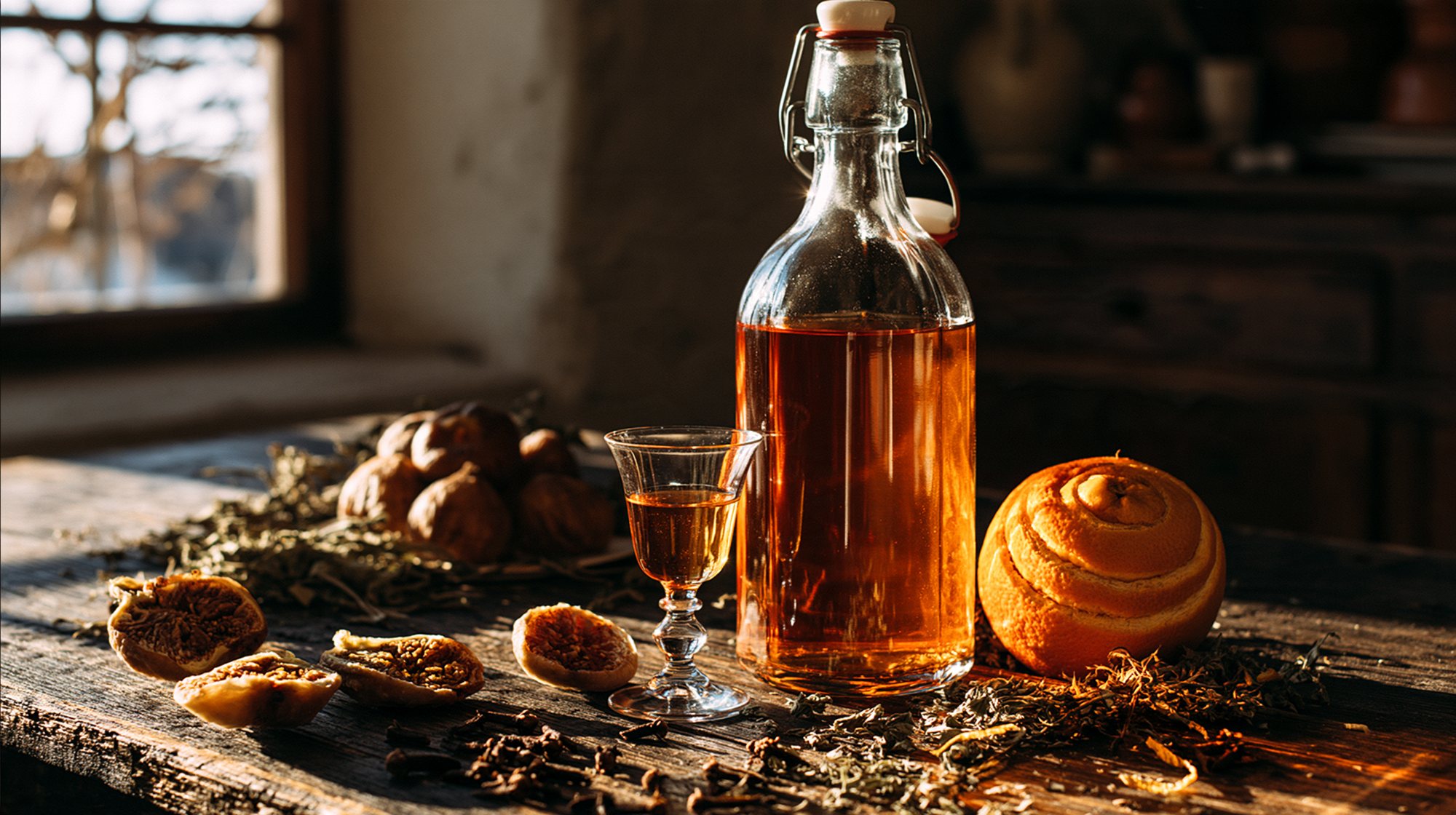
Fig liqueur
A homemade herbal liqueur in the Polish bitter tradition: bitter orange and seven botanicals steeped in vodka, then rounded out with fig and caramel. Treat these amounts as a starting point and tune them by taste.
- Vodka in
- 2 L
- Liqueur out
- about 2.6 L
- Strength
- roughly 30% ABV
- Start to bottle
- about 6 weeks
Shopping list
Amounts scale with the batch size above. The method text uses the 2 L amounts.
Botanicals to order online
| Got it | Botanical | Per batch | Product |
|---|---|---|---|
| Bitter orange peelCitrus aurantium | 20 g | Brewer's Best bitter orange peel, 1 oz amazon.com/dp/B00ZPVFRY8 |
|
| GalangalAlpinia galanga | 5–6 g | Deliherb dried sliced galangal, 4 oz amazon.com/dp/B093WN5B6Y |
|
| Angelica rootAngelica archangelica | 3 g | Angelica root, cut, 100 g (grown in Poland) amazon.com/dp/B0BQ4FF75L |
|
| CentauryCentaurium erythraea | 1.5 g | Herba Organica common centaury, 50 g amazon.com/dp/B07K4BRM7F |
|
| Gentian rootGentiana lutea | 1 g | Starwest Botanicals organic gentian root, 4 oz amazon.com/dp/B00ZSTPK62 |
|
| WormwoodArtemisia absinthium | 1 g | Organic wormwood herb and flower, 1 oz amazon.com/dp/B07W1CS8MF |
Grocery store
Liquor store
Equipment
Know your botanicals
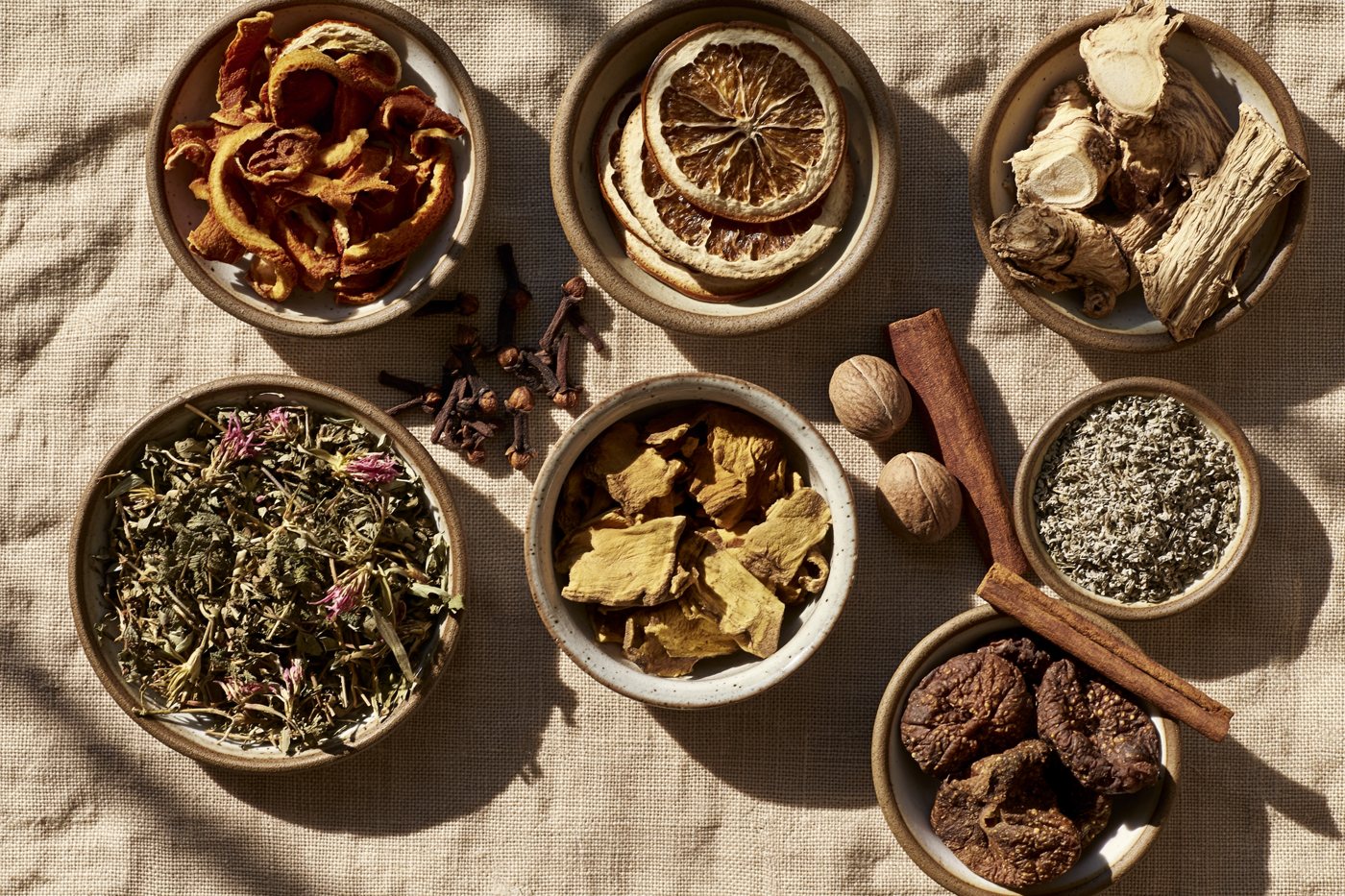
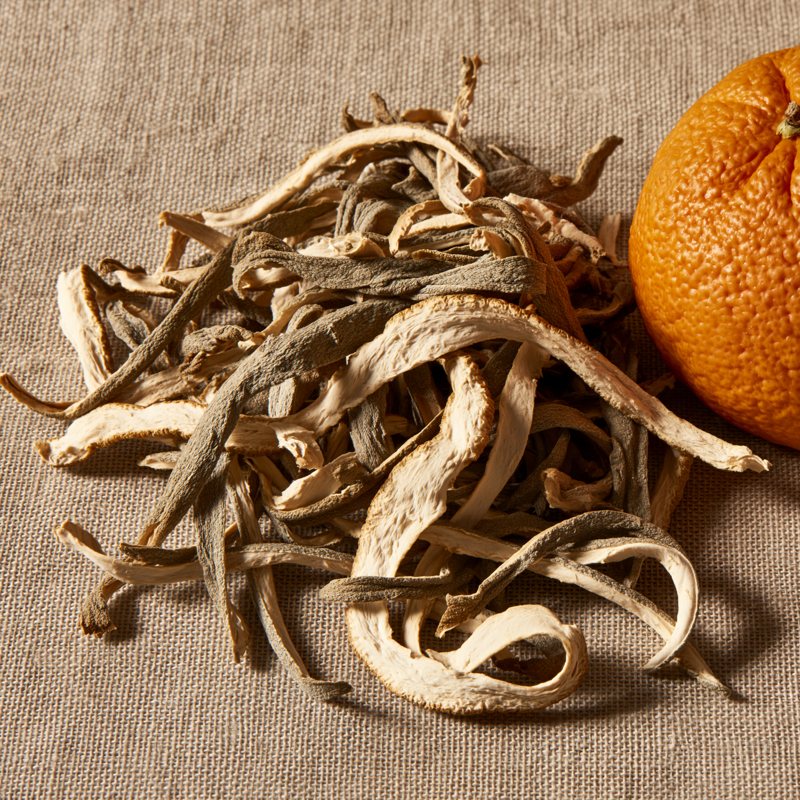
Bitter orange peel Citrus aurantium
Polish: gorzka pomarańcza · 20 g
In the bag: thin gray-green to tan curls of dried rind
Brings: the backbone of the blend, bitter citrus and orange aroma
Check: the label says bitter or Curaçao peel, not sweet orange
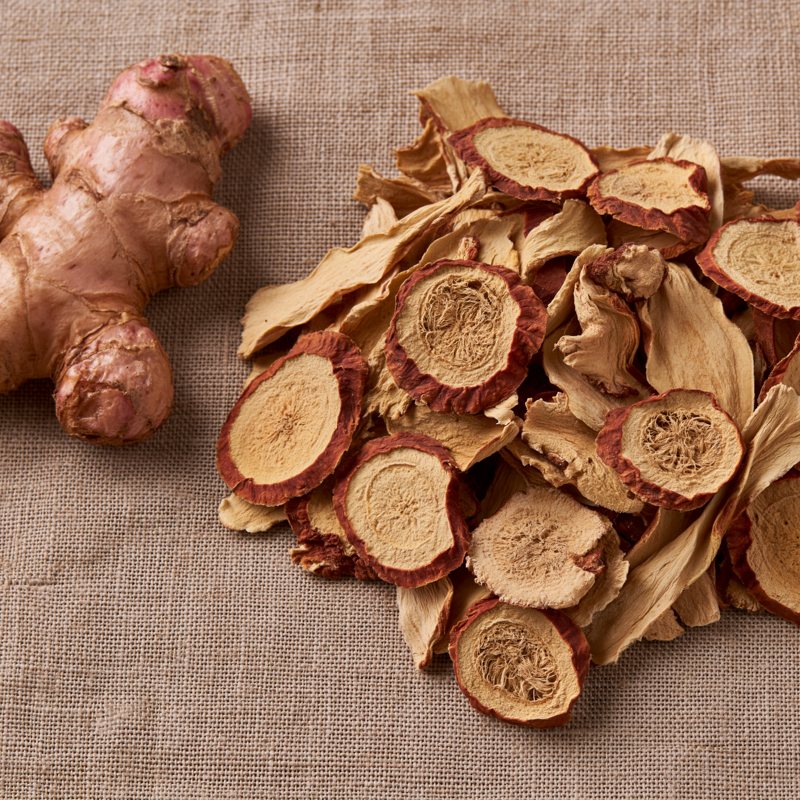
Galangal Alpinia galanga
Polish: kłącze galangi · 5–6 g
In the bag: hard tan discs, rust-red ringed skin, fibrous core
Brings: peppery, piney heat, like a sharper ginger
Check: Thai slices are the milder kind; use 4 g if you find lesser galangal (A. officinarum)
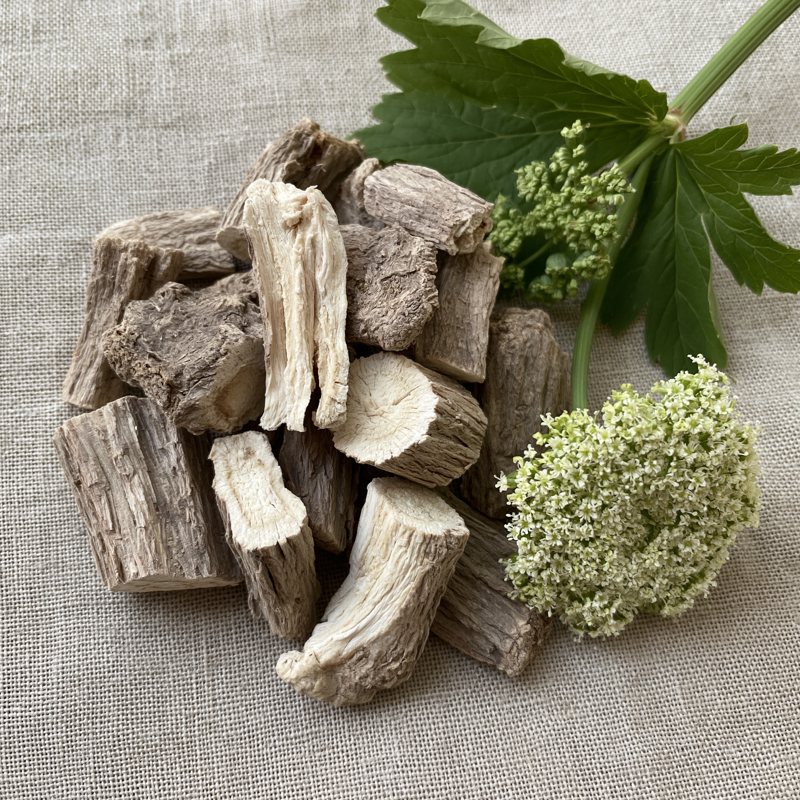
Angelica root Angelica archangelica
Polish: arcydzięgiel · 3 g
In the bag: gray-brown woody chunks, pale inside, musky smell
Brings: musky, earthy depth that ties the herbs together
Check: must say archangelica, not dong quai (Angelica sinensis)
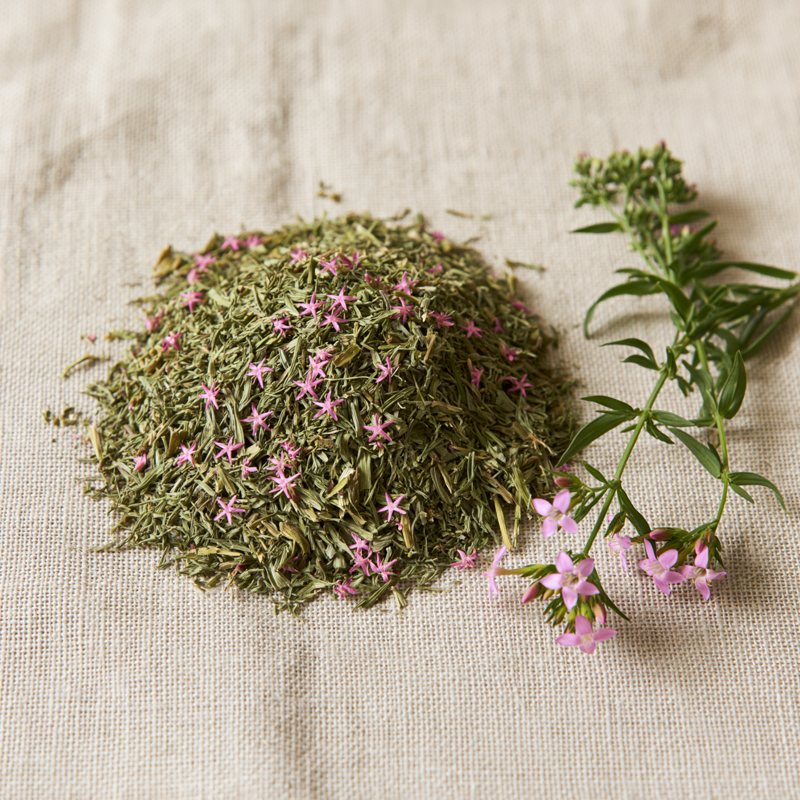
Centaury Centaurium erythraea
Polish: tysiącznik · 1.5 g
In the bag: chopped green stems and leaves with pink flower bits
Brings: a clean, lasting bitterness
Check: Centaurium erythraea on the pack
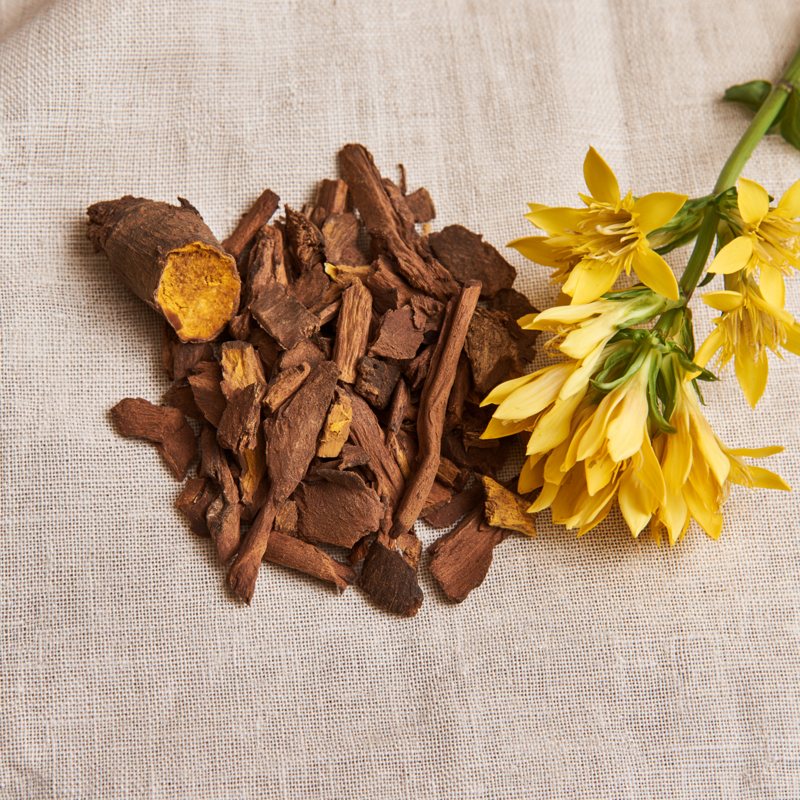
Gentian root Gentiana lutea
Polish: goryczka żółta · 1 g
In the bag: yellow-brown to rusty woody chips
Brings: the deepest bitterness in the blend; it builds fast
Check: yellow gentian, Gentiana lutea
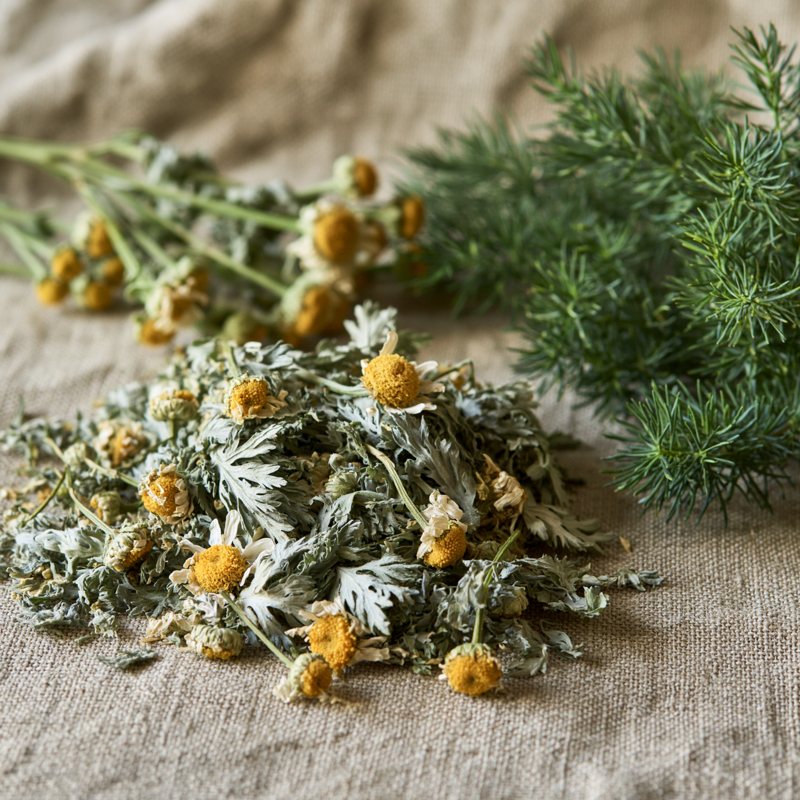
Wormwood Artemisia absinthium
Polish: piołun · 1 g
In the bag: crumbled silvery gray-green leaf, tiny yellow flower balls
Brings: sharp herbal bitterness and a sage-like aroma
Check: absinthium, not mugwort or sweet wormwood (A. annua)
Method
Two jars start on the same day, one for the herbs and one for the figs. Everything else happens on blend day, about four weeks in.
-
Day 0
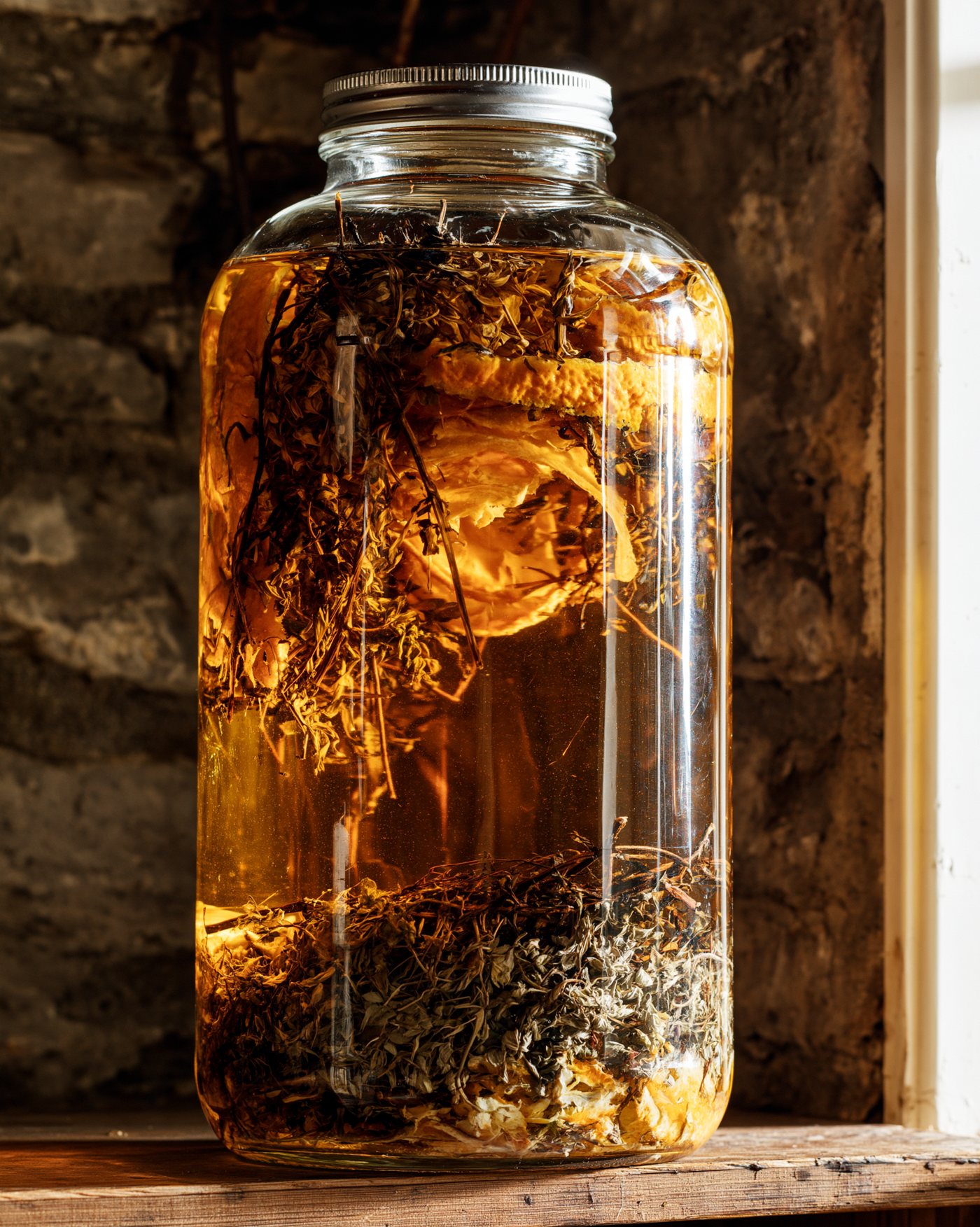
Start the herb jar
Put the orange peel, galangal, angelica, centaury, gentian, wormwood, grated nutmeg, cloves and cinnamon in one jar with 1 L of the vodka. Seal it, keep it dark, and shake it once a day.
-
Day 0
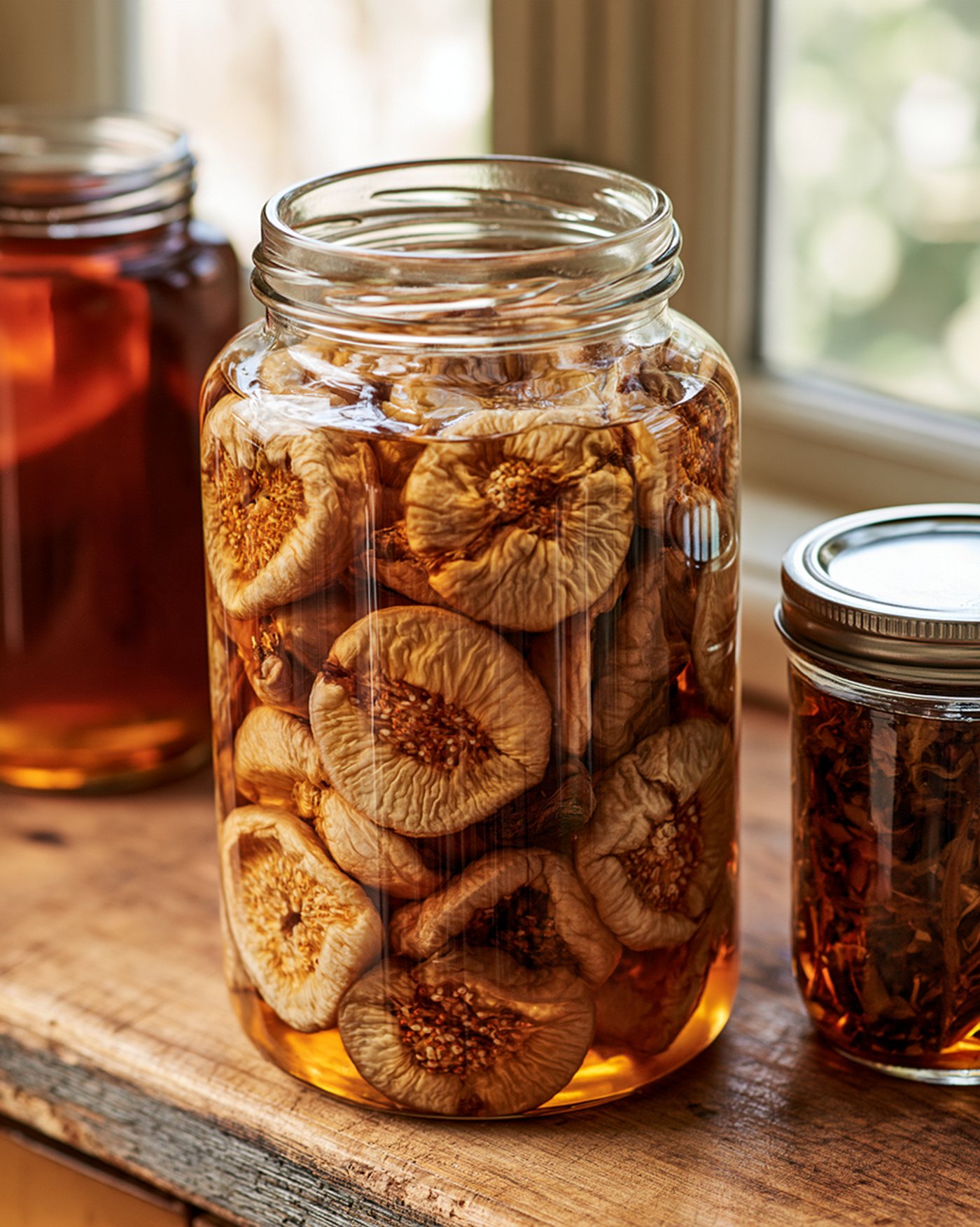
Start the fig jar
Halve the figs and cover them with the other 1 L of vodka in the second jar. Seal it, keep it dark, and shake it every few days.
-
Days 7–14
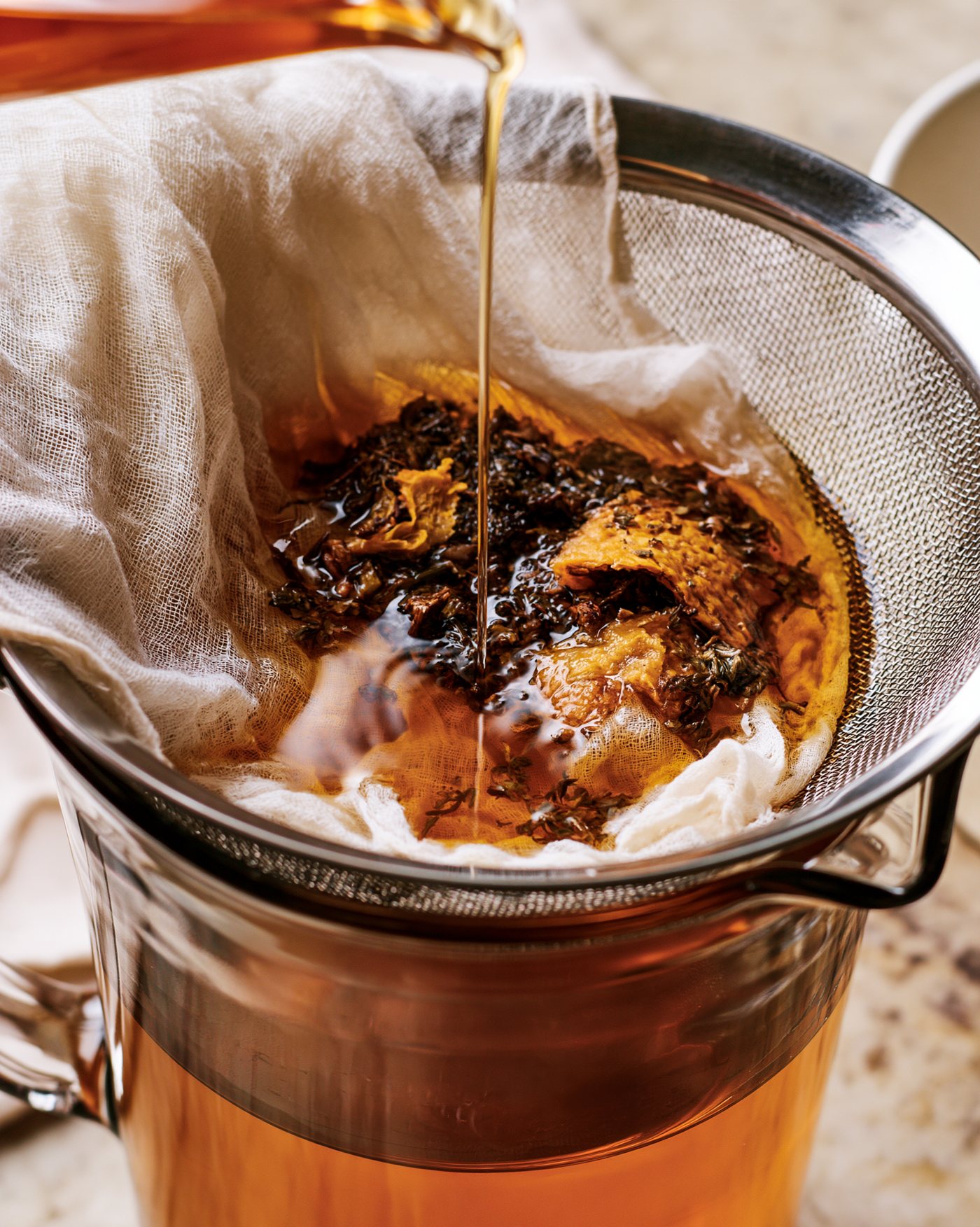
Taste, then strain the herbs
Start tasting on day 7. Strain between days 10 and 14, or sooner if the bitterness turns harsh: first through a fine sieve, then through a coffee filter. Keep the extract sealed.
-
Days 21–28
Strain and press the figs
Strain the jar, then squeeze the figs hard in cheesecloth, since they hold a lot of vodka. Let the haze settle overnight and pour the clear liquid off the sediment.
-
Blend day
Make the caramel syrup
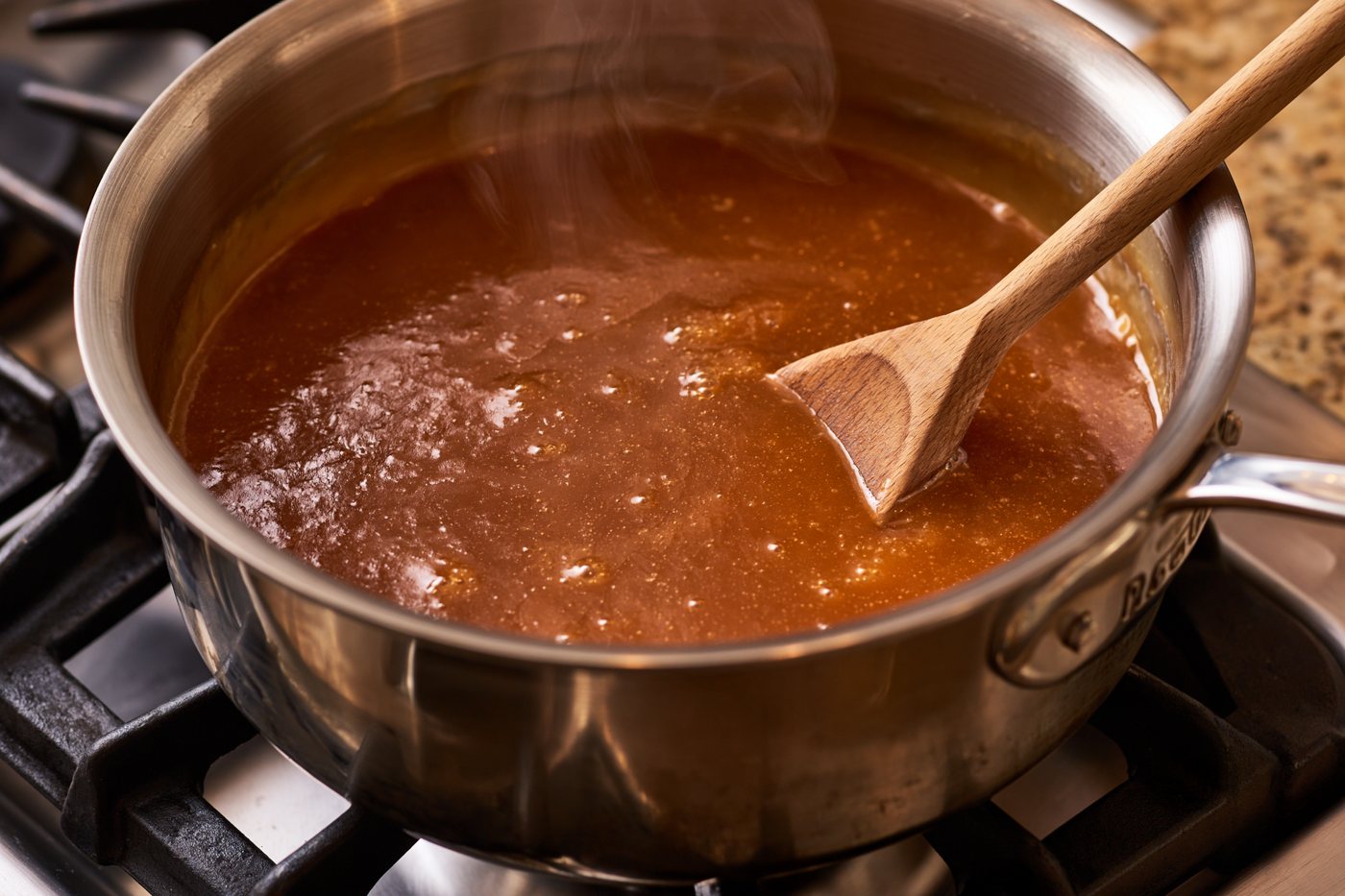
Melt about 100 g of the sugar in a dry, heavy pan until it turns deep amber. Take it off the heat and add the 400 ml of water slowly, standing back because it spits. Stir in the remaining 300 g of sugar, simmer until it dissolves, and let the syrup cool completely.
-
Blend day
Blend to taste
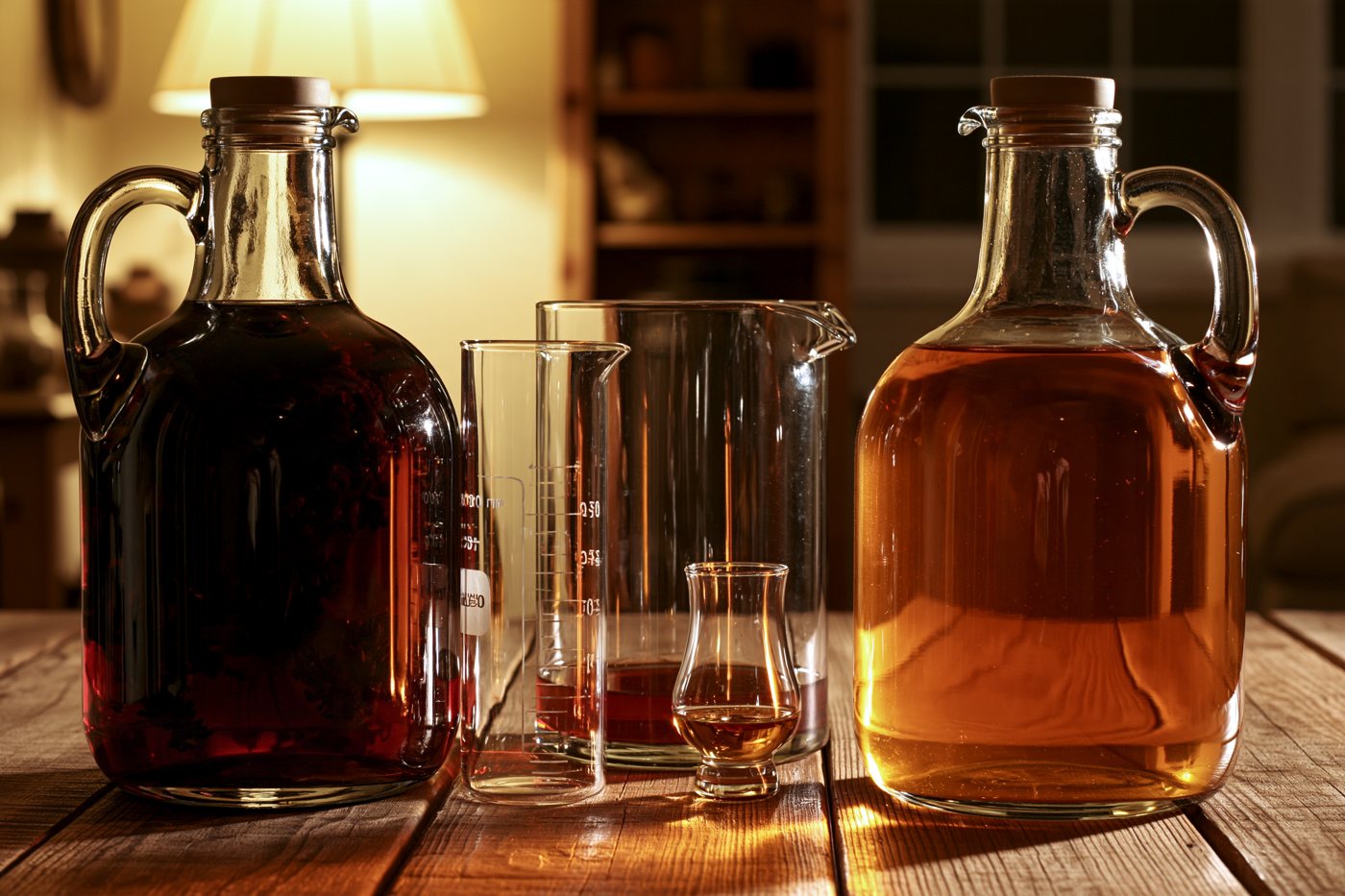
Combine the fig extract with two-thirds of the herb extract. Add the rest of the herb extract a little at a time until the bitterness suits you, then add the syrup the same way. You may not need all of it.
-
Then 2+ weeks
Bottle and rest
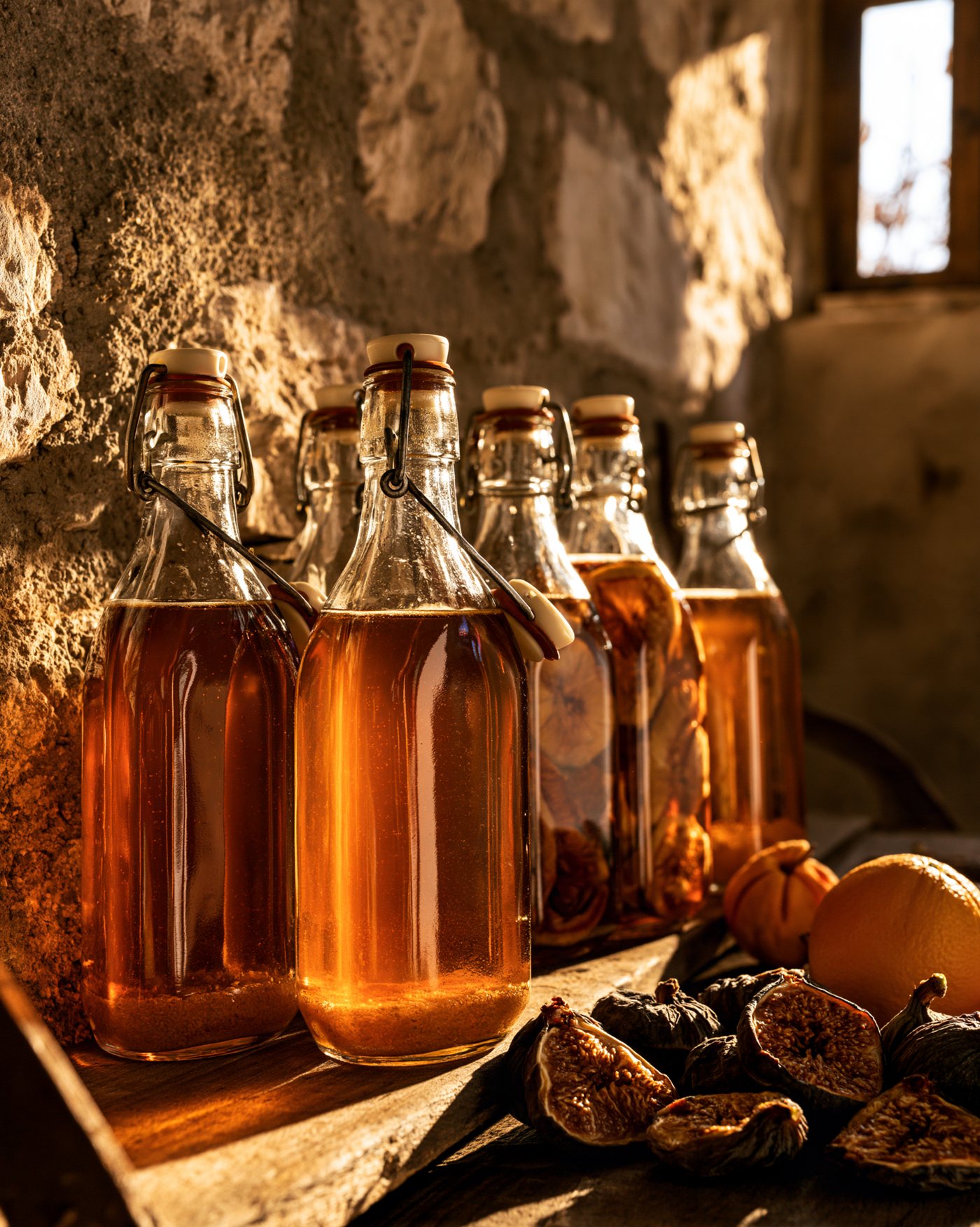
Bottle it and leave it for at least two weeks so the flavors come together and the harsh edges soften. If more sediment settles out, filter it again.
Keep it safe
- Use dried wormwood herb only, never wormwood oil or a concentrated extract.
- Skip the cinchona bark some older recipes list. Its quinine content varies too much to dose at home.
- Weigh the herbs. Gentian and wormwood are the strongest, and spoon measures of dried herbs are unreliable.
Tuning the next batch
- Too sweet: cut the syrup by about a quarter rather than adding more herb extract.
- Too bitter: blend in more fig extract or syrup, and strain the herb jar a few days earlier next time.
- Orange too faint: in January or February, swap the dried peel for the zest of a few fresh Seville oranges.
To serve
Serve it at cellar temperature in small glasses, or chilled as a digestif after a heavy meal.