Rose petal liqueur
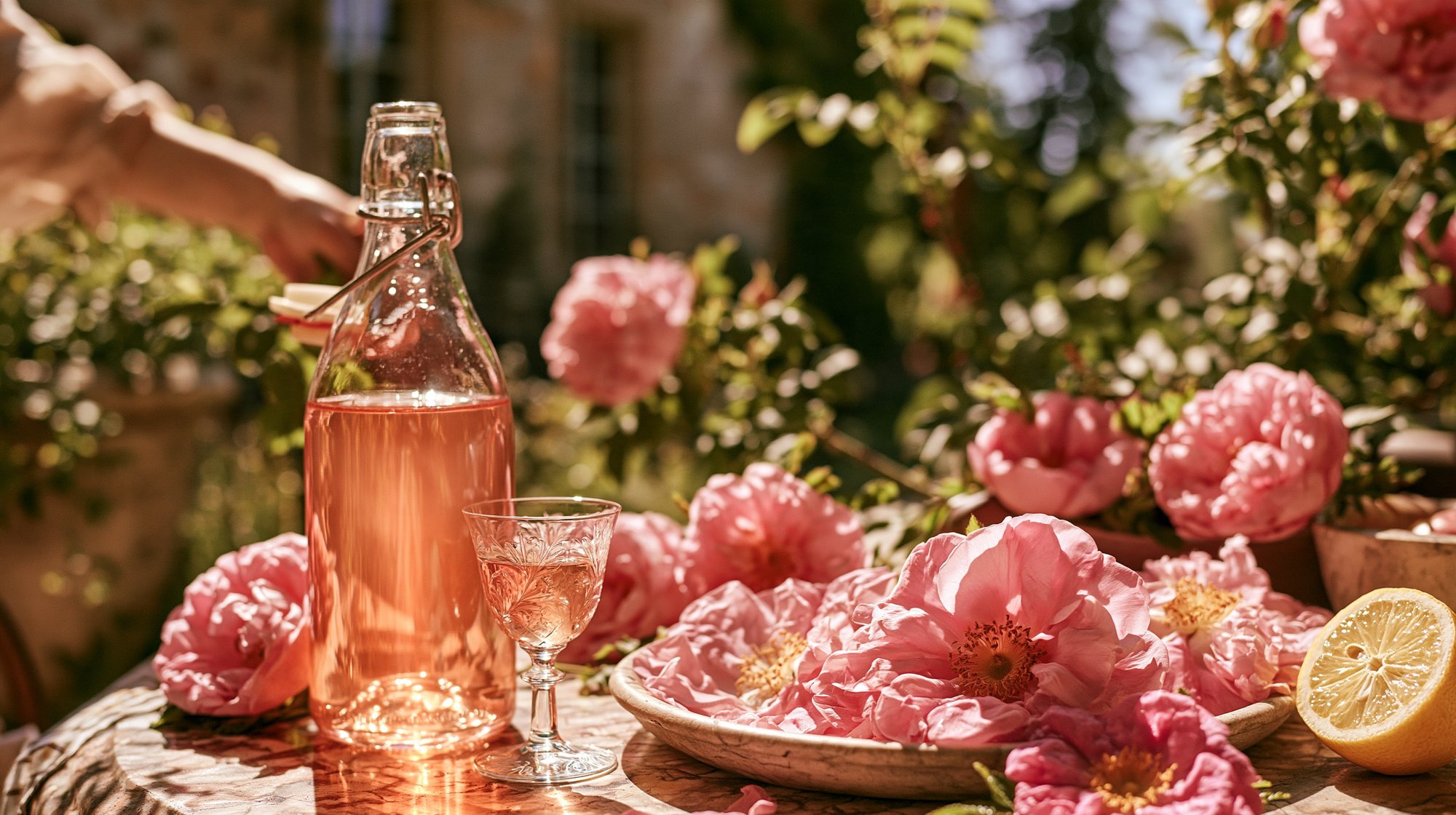
A 35% rose liqueur in the old Polish style, made by steeping rose petals slowly for an intense, natural rose perfume. Rugosa roses are the traditional choice; food-grade dried petals work any time of year. A little lemon at the end brightens both the flavor and the color. Treat the amounts as a starting point and tune them by taste.
- Vodka in
- 2 L
- Liqueur out
- about 2.3 L
- Strength
- roughly 35% ABV
- Start to bottle
- about 3 weeks
Shopping list
Amounts scale with the batch size above. The method text uses the 2 L amounts.
Botanicals to order online
| Got it | Botanical | Per batch | Product |
|---|---|---|---|
| Rose petals, driedRosa rugosa or Rosa damascena | 30 g | Organic food-grade dried rose petals, about 4 oz (search results) amazon.com/s?k=organic+food+grade+dried+rose+petals |
Grocery store
Liquor store
Equipment
Know your botanicals
Rose petals, dried Rosa rugosa or Rosa damascena
Polish: płatki róży · 30 g
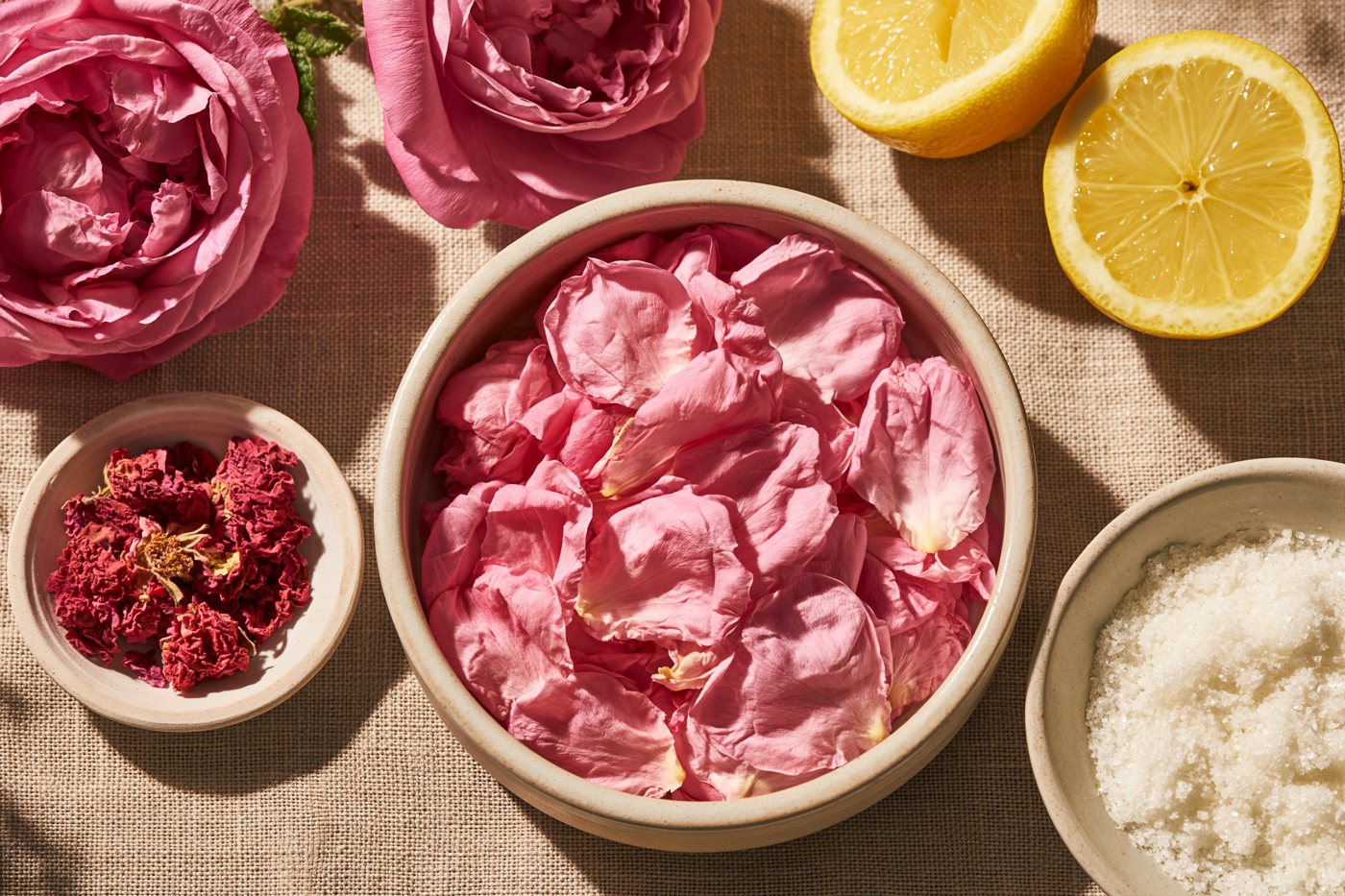
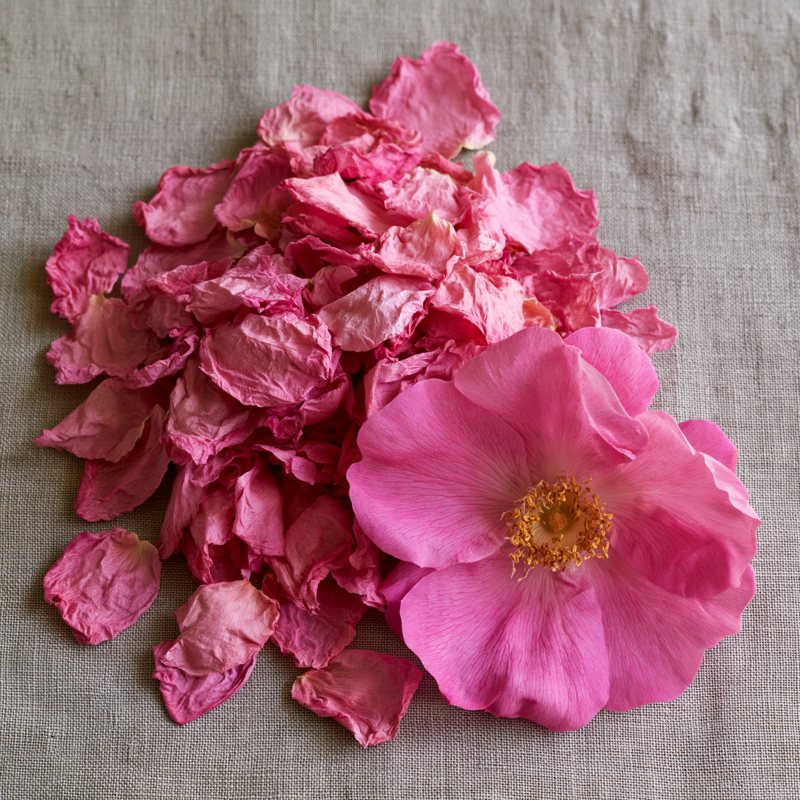
In the bag: papery pink to deep red petals with a sweet, strong rose scent
Brings: the whole perfume of the liqueur
Check: sold as food grade or culinary, never florist, craft or potpourri petals
Method
Rose gives up its perfume within a few days and then starts to taste like strong tea, so the petals come out early. The syrup rounds it out, and a little lemon juice at the end turns the color from tea-brown toward rose-pink.
-
Day 0
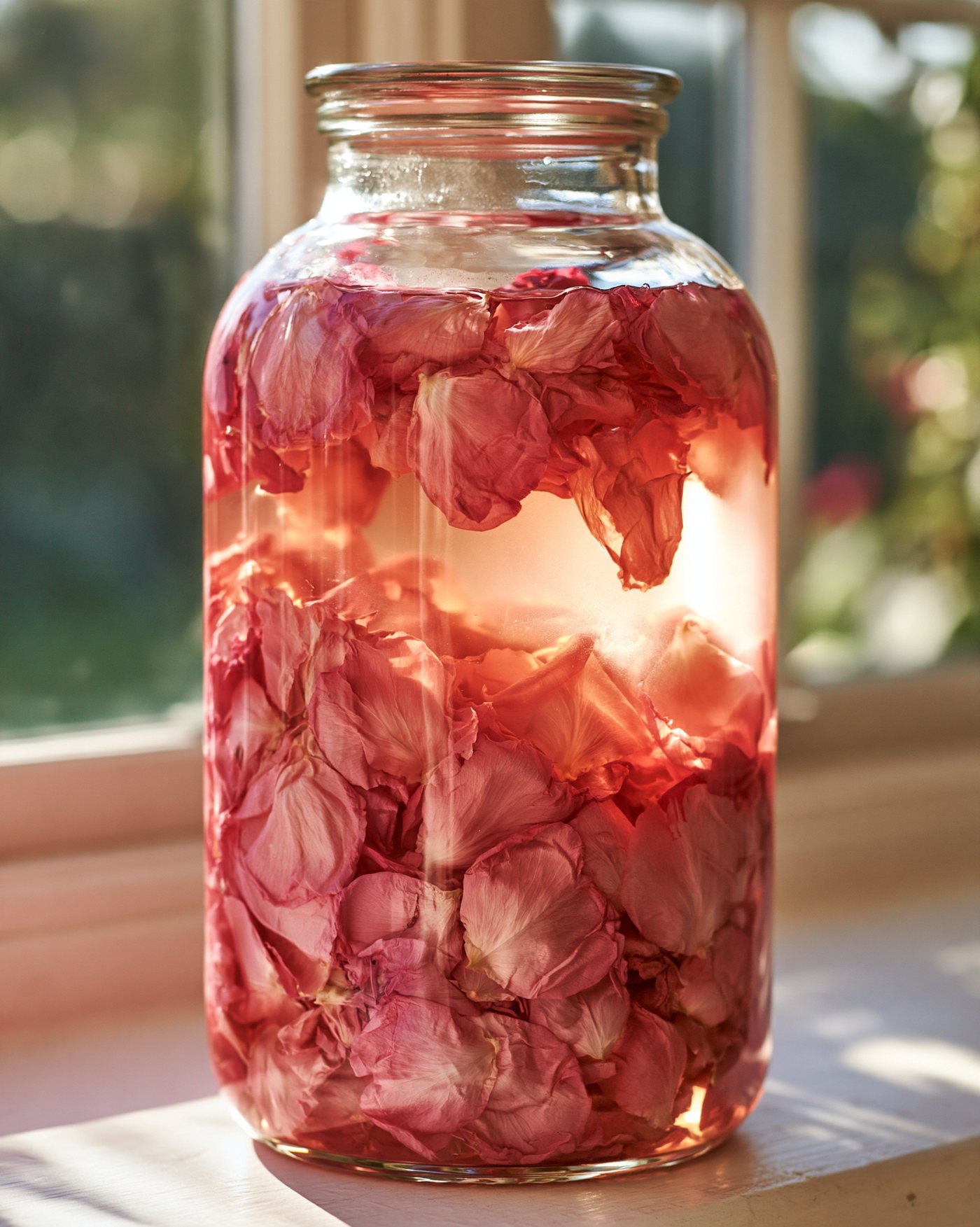
Start the petal jar
Cover the dried petals with the vodka in the jar. Seal it, keep it dark, and give it a gentle shake once a day. With fresh petals, snip off the pale base of each petal first, because it tastes bitter.
-
Day 2
Taste every day
From day 2, taste once a day. You are waiting for a full, perfumed rose; strain before it turns tannic and tea-like.
-
Days 3–5
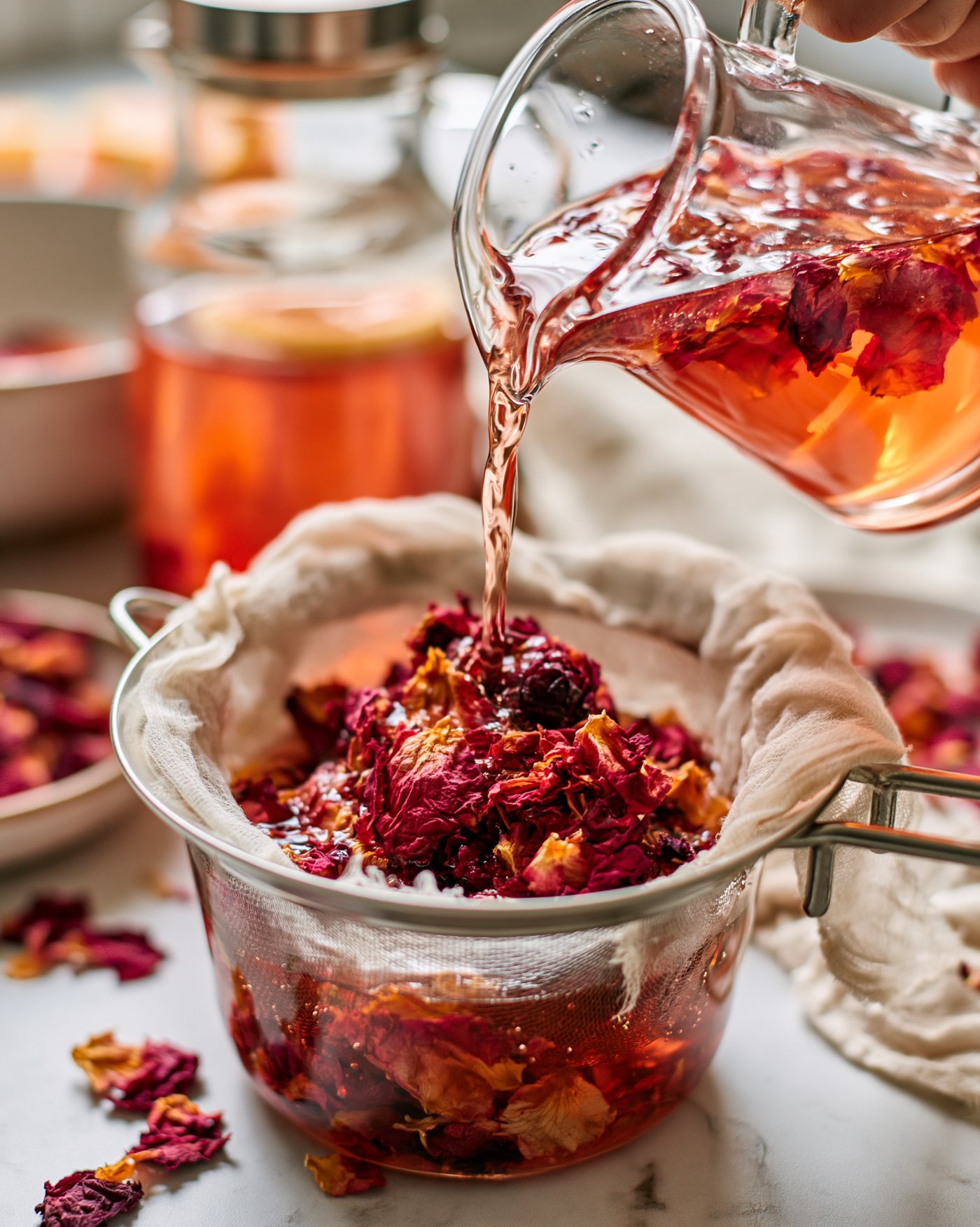
Strain and press
Pour it through a sieve, press the petals in cheesecloth, since they hold a lot of vodka, and filter it through coffee filters.
-
Day 5
Make the syrup
Warm the sugar and water just until the sugar dissolves, and let it cool completely.
-
Day 5
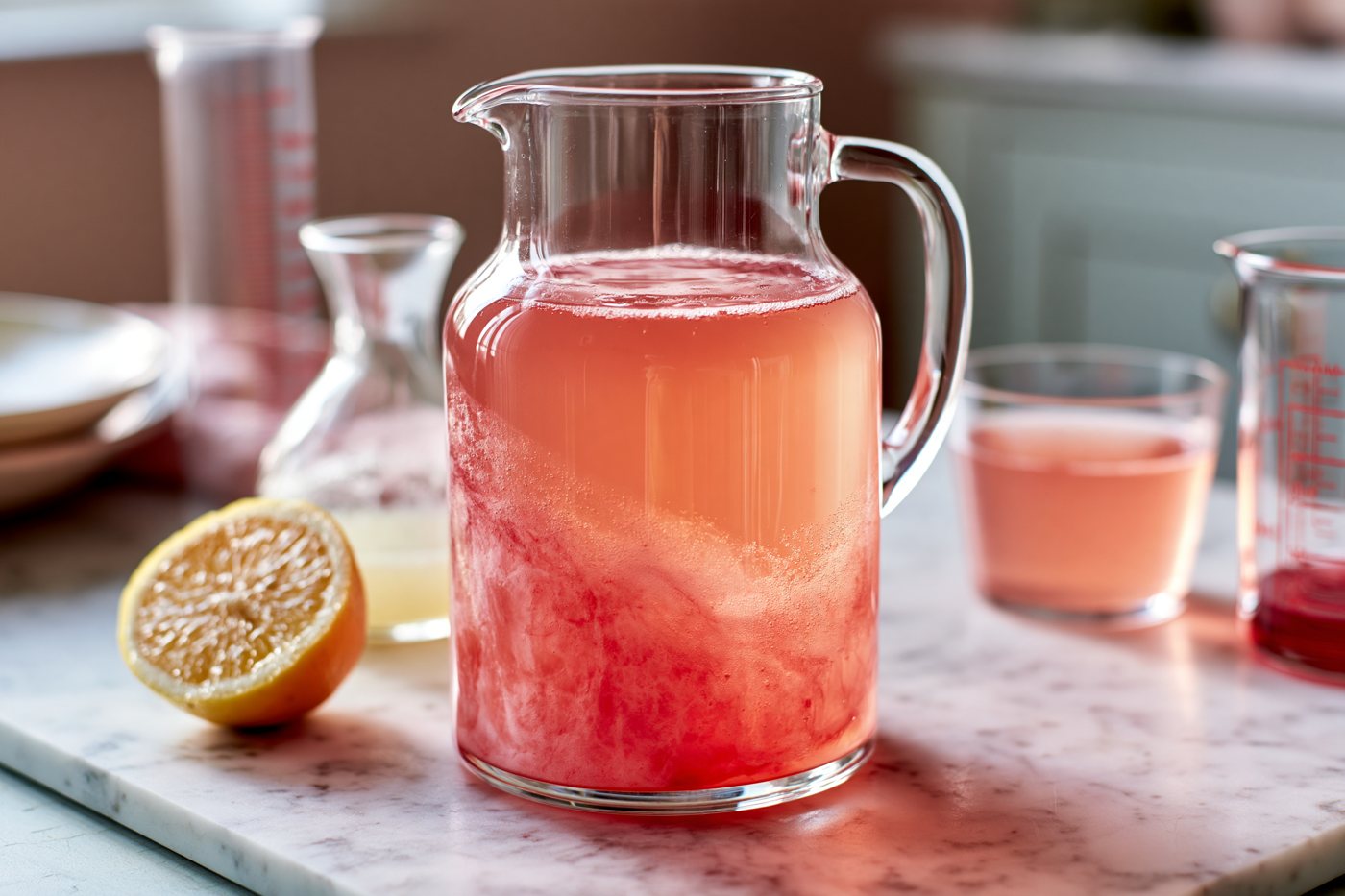
Sweeten and brighten
Add the syrup a little at a time until it tastes rounded. Then add lemon juice a teaspoon at a time and watch the color shift from tea-brown toward pink; the acid sharpens the perfume too. Stop when it tastes bright but not sour.
-
Then 2 weeks
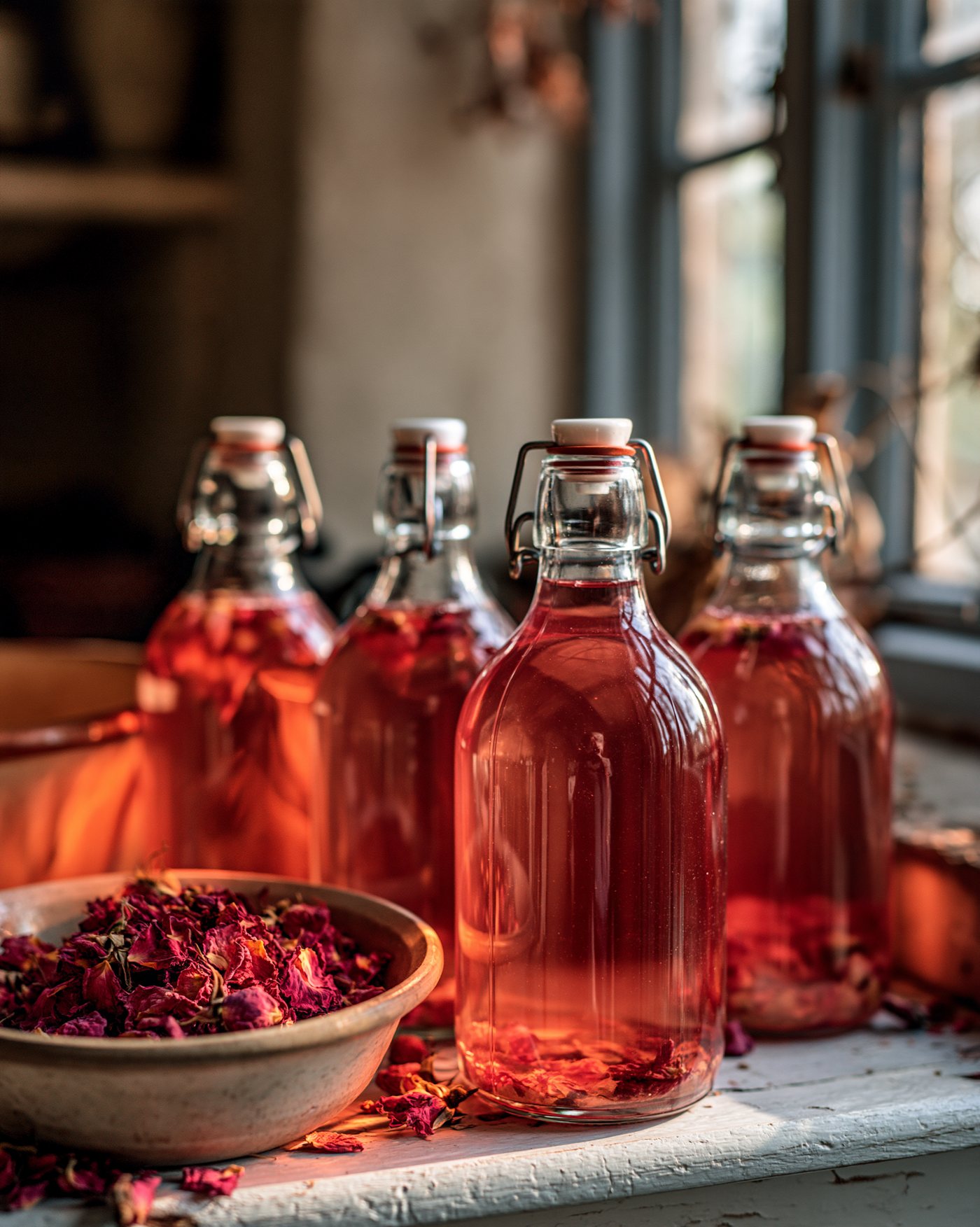
Bottle and rest
Bottle it and let it rest for two weeks in the dark. Rose color fades in light, so keep the bottles in a cupboard.
Keep it safe
- Use only food-grade petals, or roses you know have never been sprayed. Florist roses are heavily treated with pesticides.
- If you pick your own, pick away from roads and sprayed gardens; rugosa roses are ideal and very fragrant.
- Keep the jar sealed, dark and away from heat, and label it with the start date.
Tuning the next batch
- Tastes like tea or bitter: strain a day or two earlier next time.
- Rose too faint: use 40 g of petals rather than steeping longer.
- Color dull or brown: add a little more lemon juice.
- Too sweet: add the syrup more slowly, or use 200 g of sugar next time.
To serve
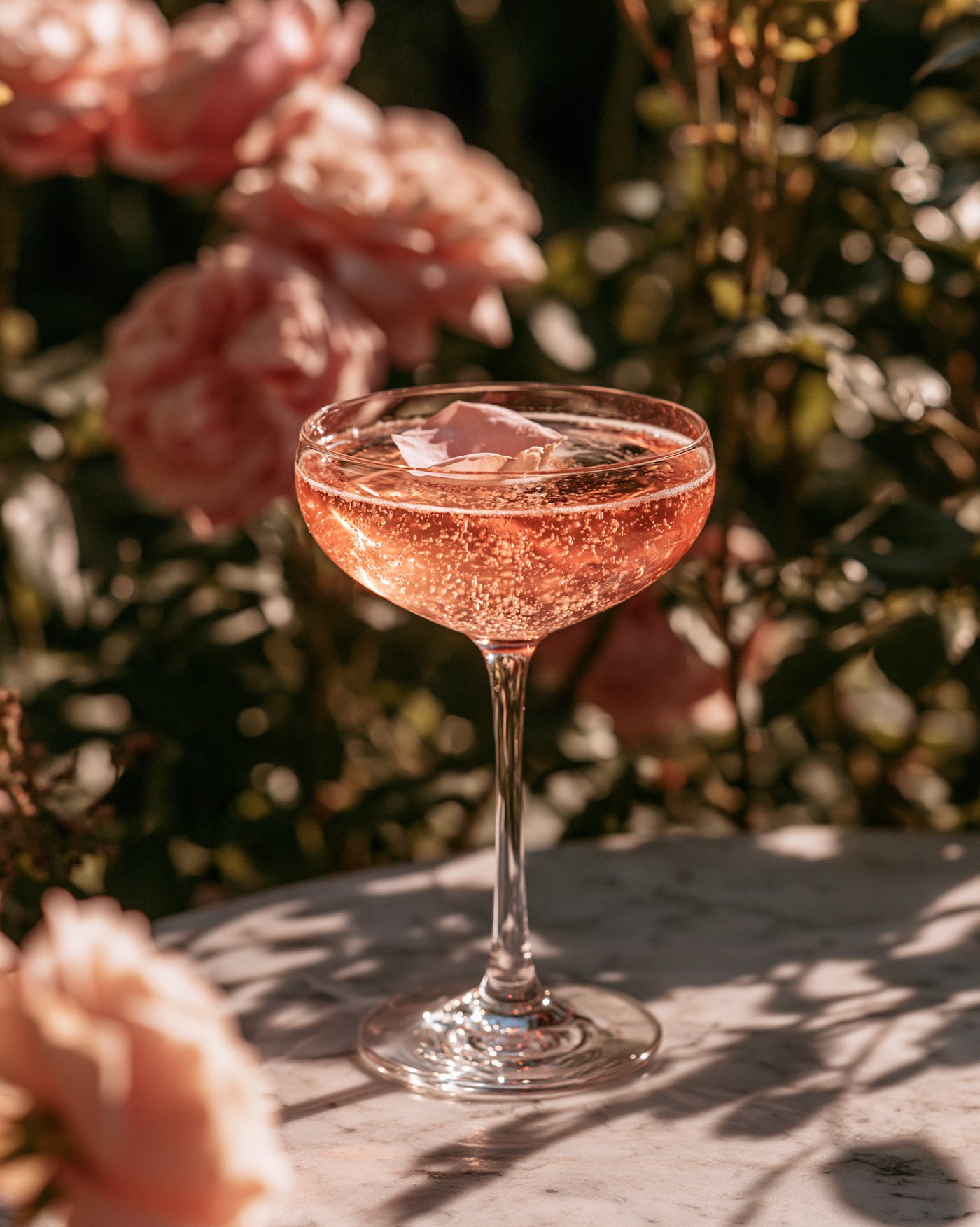
Serve it chilled in small glasses. A splash in a glass of sparkling wine makes a rose aperitif, and it is lovely over vanilla ice cream or stirred into black tea.